
About
YOSHINO – wood & wisdom is a project established by Tetsuya Sawada, dedicated to designing sustainability for one of Japan’s most historically significant timber-producing regions. Based in Nara, the cultural capital of wood, this initiative explores the intrinsic connection between Japan’s craftsmanship, culture, and the ecosystems that sustain its rich timber heritage.
Nara Prefecture holds a unique place in the history of wooden architecture. It is home to Horyu-ji, the world’s oldest wooden building, and 18 of the top 20 oldest wooden structures globally. With its thousand-year legacy of wooden construction, Nara continues to uphold traditional architectural techniques that produce not only high-quality timber but also enduring, flexible, and beautiful structures.
The 500-Year Legacy of Yoshino Forestry
The Yoshino forestry tradition, spanning over 500 years, thrives in the mountainous regions of Nara. Mountain stewards (yamamori), passing their skills and reverence for forestry from parent to child, cultivate cedar (sugi) and cypress (hinoki) trees over generations.
Before felling a tree, the yamamori offer prayers to the mountain deities, expressing gratitude for the gift of timber. This profound respect for nature is evident in the beauty of the wood itself, which matures over 200 to 300 years.
The Journey of Wood: “Three Lives of Wood”
The life of Yoshino timber is a journey across centuries, reflecting the interplay of human care and natural cycles.
- The Mountain: The tree grows under the stewardship of yamamori.
- The Home: The timber is carefully felled and transformed into homes by carpenters using techniques that eschew nails or metal fittings.
- The Vessel: After centuries as a structural element, the wood is repurposed into exquisite wooden vessels and furniture by skilled artisans.
This philosophy encapsulates the deep connection between time, material, and human creativity.
Symbolizing Circulation, Symbiosis, and Inheritance
YOSHINO embodies principles of circulation, symbiosis, inheritance, humanity, and ecosystem.

The project serves as a platform for preserving and celebrating wood culture through:
- Educational Activities: Promoting awareness of sustainable forestry and traditional craftsmanship.
- Craft Production: Supporting the creation of artisanal wood products.
- Tourism: Offering immersive experiences in the history and practice of Yoshino forestry.
- Cultural Expression: Showcasing the stories and beauty of wood through various forms of media and art.
Fostering Global Collaboration for a 1,000-Year Legacy
At its heart, YOSHINO aspires to create spaces where people who love wood—foresters, architects, carpenters, and woodworkers—can collaborate and innovate. By fostering global partnerships and dialogue, the project aims to preserve and advance the rich wooden culture that has endured for over a millennium.
This initiative seeks not only to sustain the craftsmanship and ecosystems that underpin Japan’s timber legacy but also to inspire a renewed appreciation for the enduring beauty and humanity of wood. Through shared efforts, YOSHINO envisions a future where this cultural treasure continues to enrich lives worldwide.
Director Tetsuya Sawada
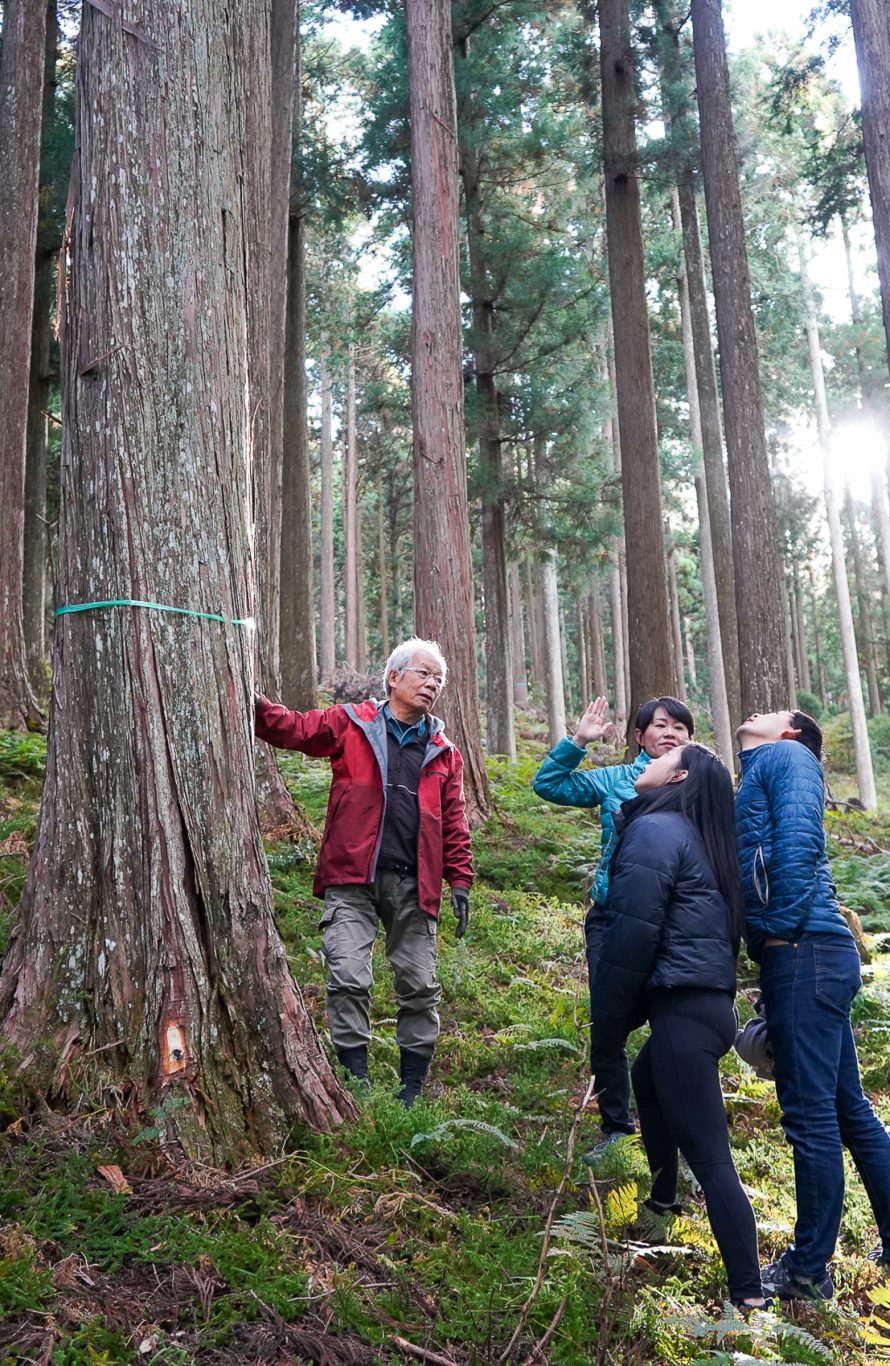
Educational Activities
Promoting awareness of sustainable forestry and traditional craftsmanship.

Craft Production
Supporting the creation of artisanal wood products.
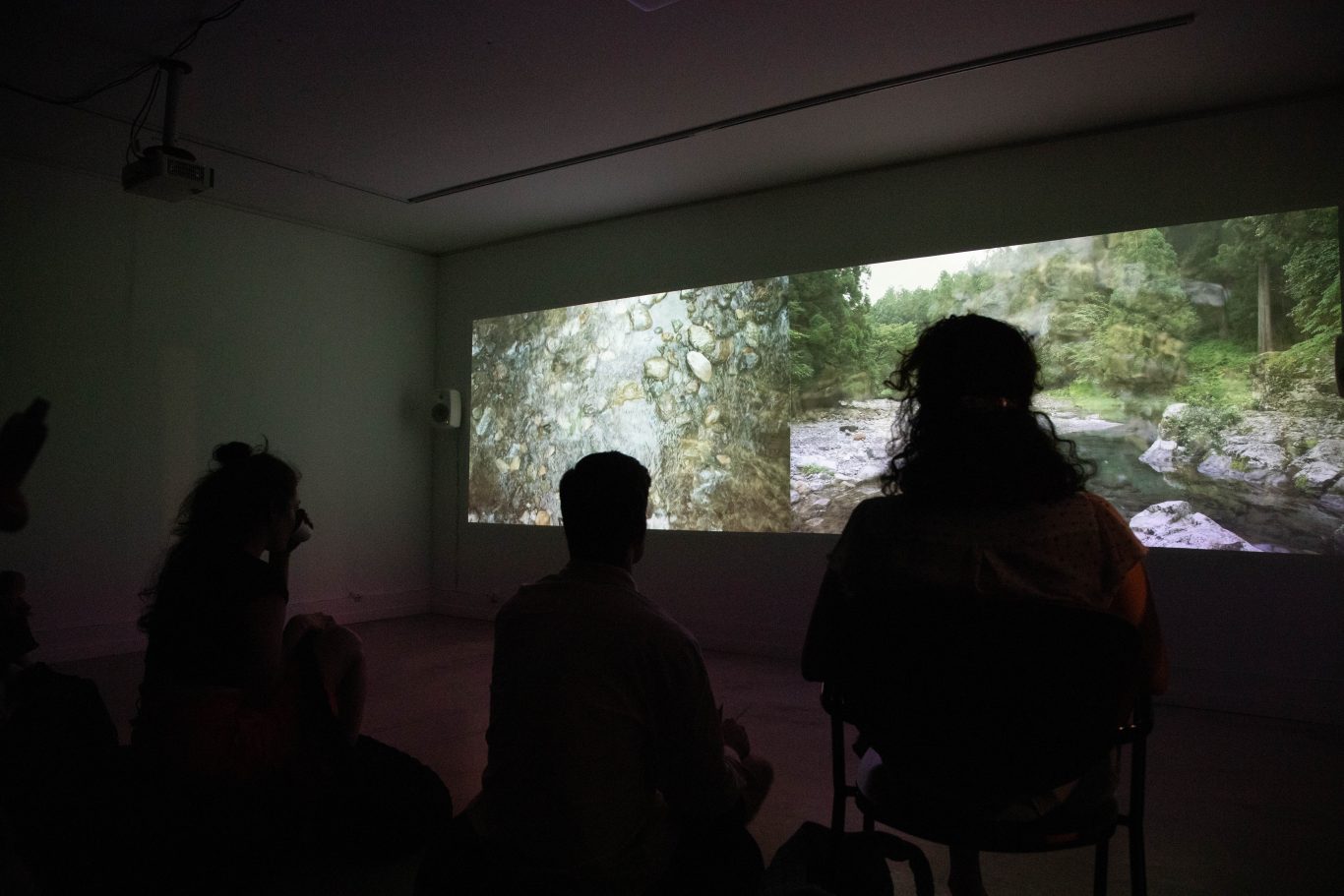
Cultural Expression
Showcasing the stories and beauty of wood through various forms of media and art.

Knowledge Archive
Archiving and making public the culture and wisdom of wooden architecture and tree cultivation.