The Mountain Forests of the Craft Masters.
Step into the heart of Japan’s rich forestry tradition with an exclusive Yoshino forestry tour. Discover the art of sustainable tree cultivation passed down through generations by the Yamamori foresters, who grow cedar and cypress trees with reverence for the mountain gods. Witness how each meticulously nurtured tree transforms into exquisite works of craftsmanship—homes built without nails, elegant vessels, and furniture that enrich daily life.
Guided by architects specializing in traditional Japanese construction, this tour takes you deep into the mountains of Yoshino, where you’ll meet master foresters, carpenters, and woodworkers. Listen to their stories, feel their passion for harmony with nature, and explore how this timeless tradition continues to thrive in modern times.
Whether you’re passionate about sustainable forestry in Japan, fascinated by traditional Japanese woodworking, or seeking an unforgettable cultural experience, this tour offers a rare glimpse into the soul of Yoshino’s forests and its people.
Join us and uncover the story of wood that connects generations and communities over 500 years.
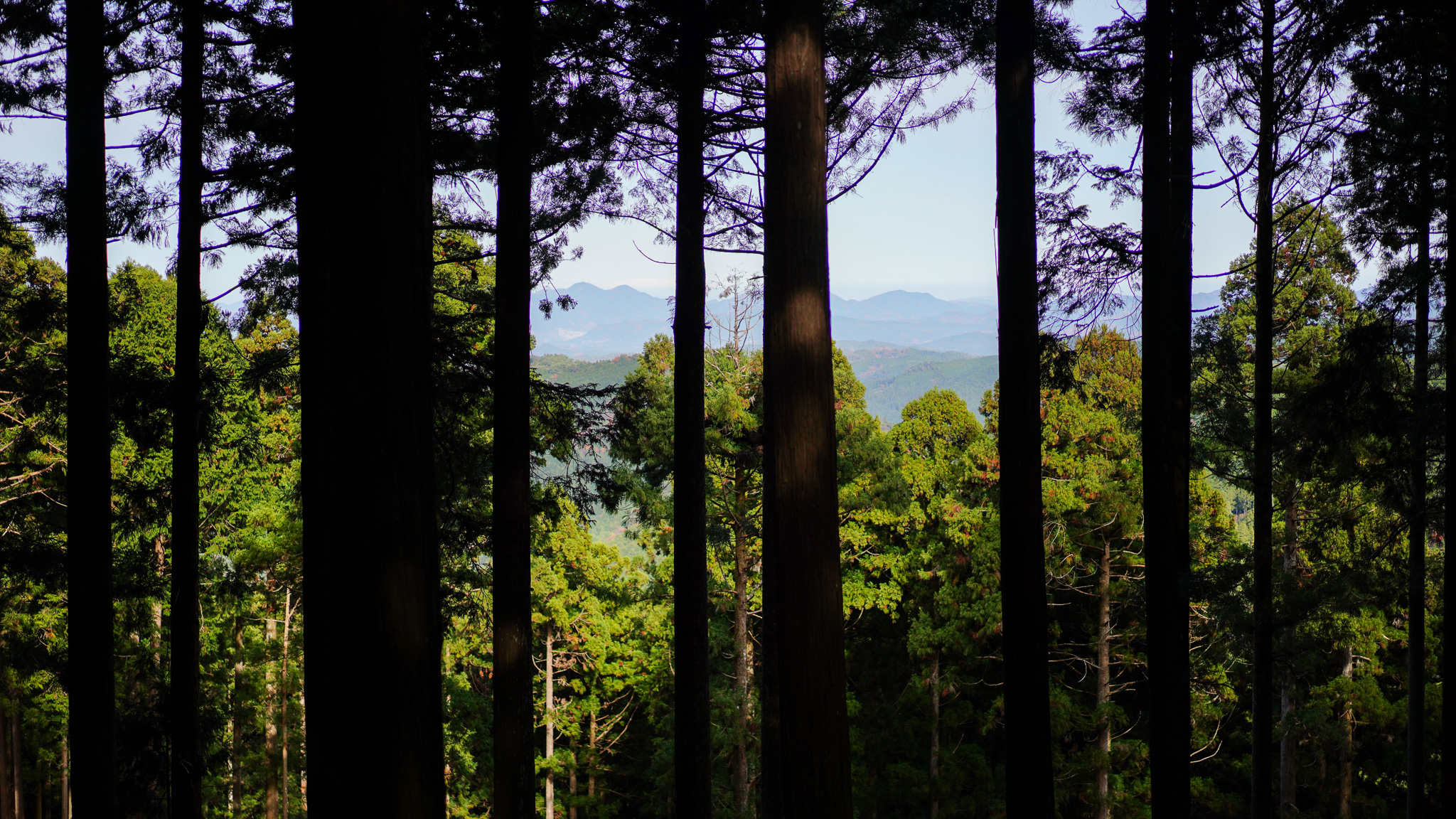
LOCATION / Nara , Yoshino
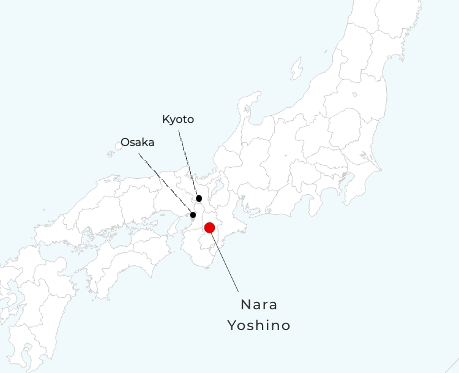
The Yoshino Area, in the south of Nara Prefecture, lies roughly in the center of the Kii Peninsula. It is not far from Osaka and Kyoto, and can be reached by train in about an hour.
The mountains of Yoshino are the most famous cherry blossom sites in Japan. More than 30 000 cherry trees are planted on the slopes of the mountain and in spring, visitors can admire the cherry blossoms while walking along the mountain paths.
Yoshino also has a rich history and is an interesting place to visit at any time of the year. In 2004, Yoshino, together with Mount Koya and Kumano, was designated a cultural UNESCO World Heritage Site named the “Sacred Sites and Pilgrimage Routes in the Kii Mountain Range”.
PEOPLE
Mokuzo-architect Cochi / Hitoshi Sato
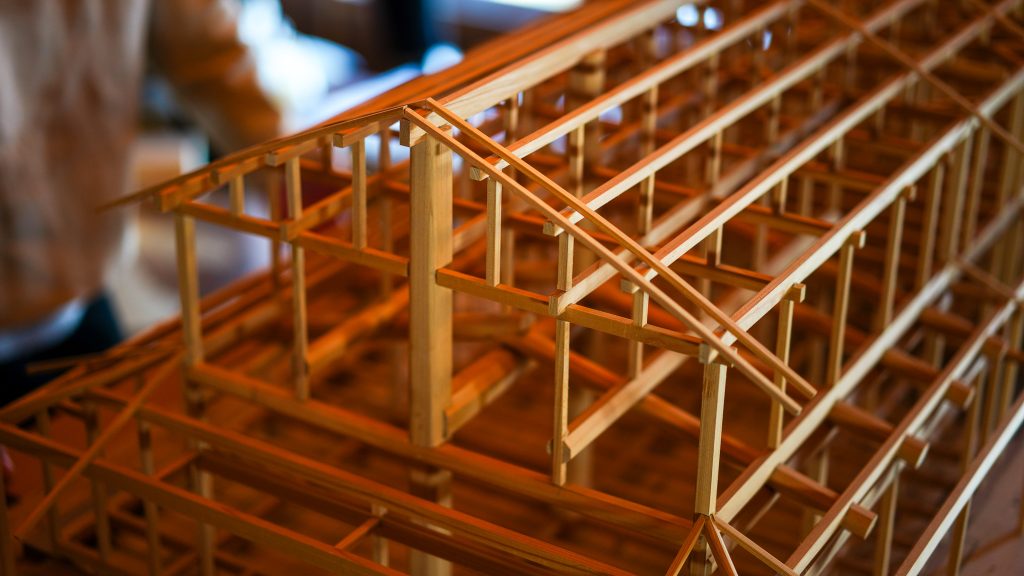
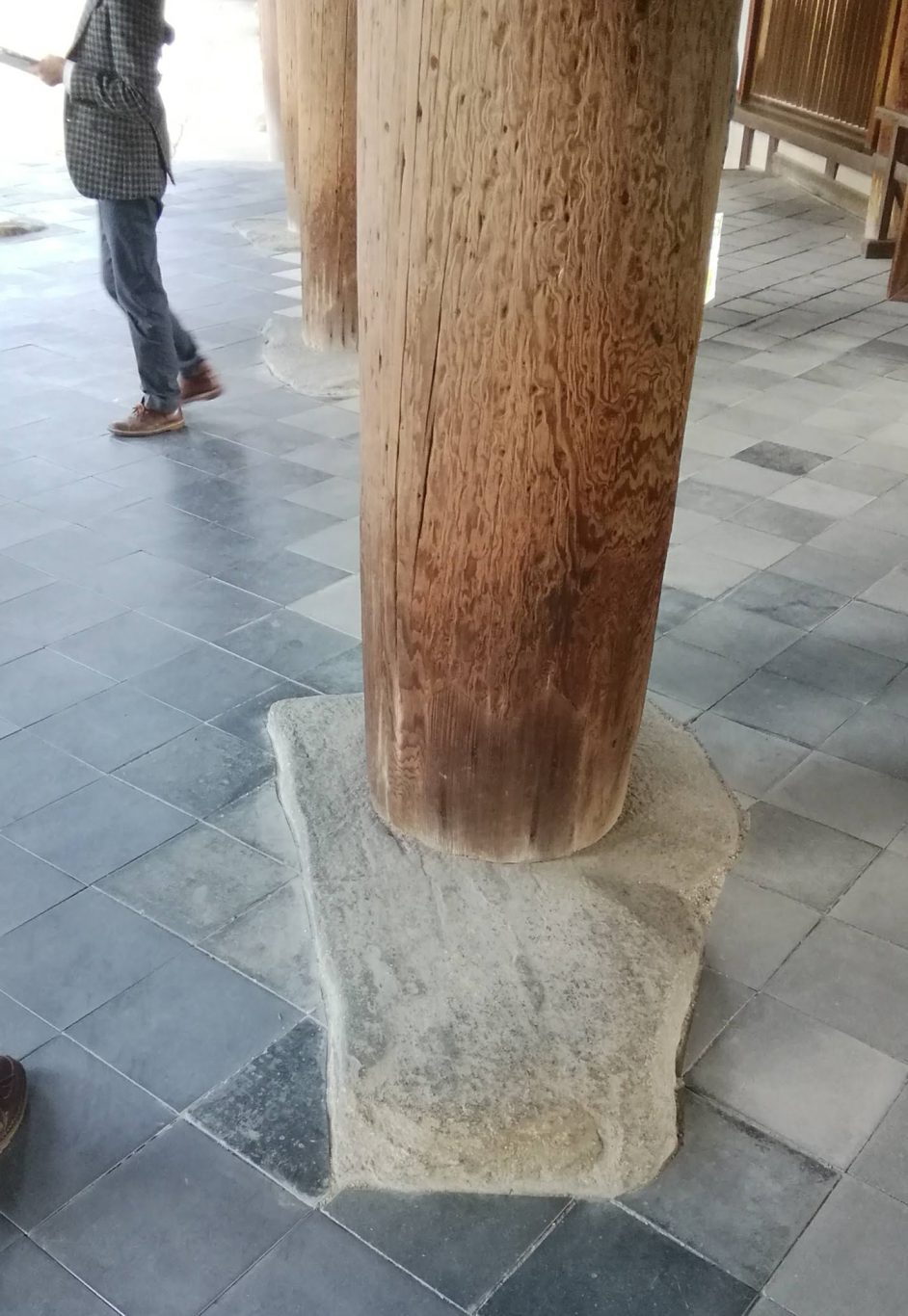
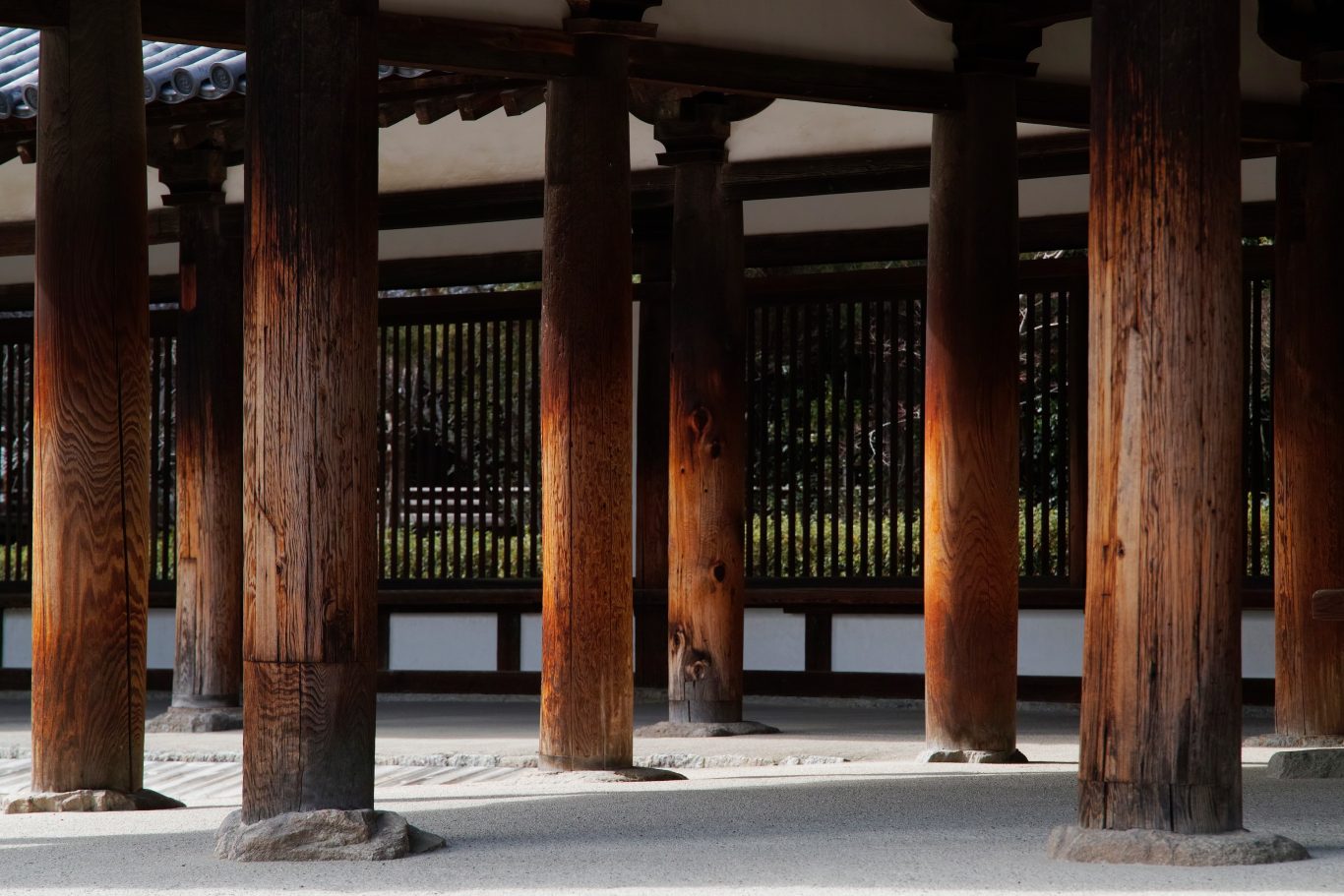
Mokuzou-architect Cochi is a architectural studio in Yoshino. They design houses with a life-span of more than 300 years using the same traditional Japanese construction method as the world’s oldest wooden structure, Horyuji-Temple. They do not buy the timber for their construction-projects from timber-markets, instead going to the mountains to buy directly from their trusted mountain foresters. With the slogan ” Creating Landscapes of Beauty to Grace the World for Three Centuries “, they build beautiful and resilient houses using the natural materials, best techniques, and authentic designs. To build awareness of the origins of these trees, grown and tended by many generations of Yamamori, Cochi has started a tour that connects the mountains with the people who live in these special wooden houses.

Yamamori(Yoshino Forestry) / Masafumi Fukumoto
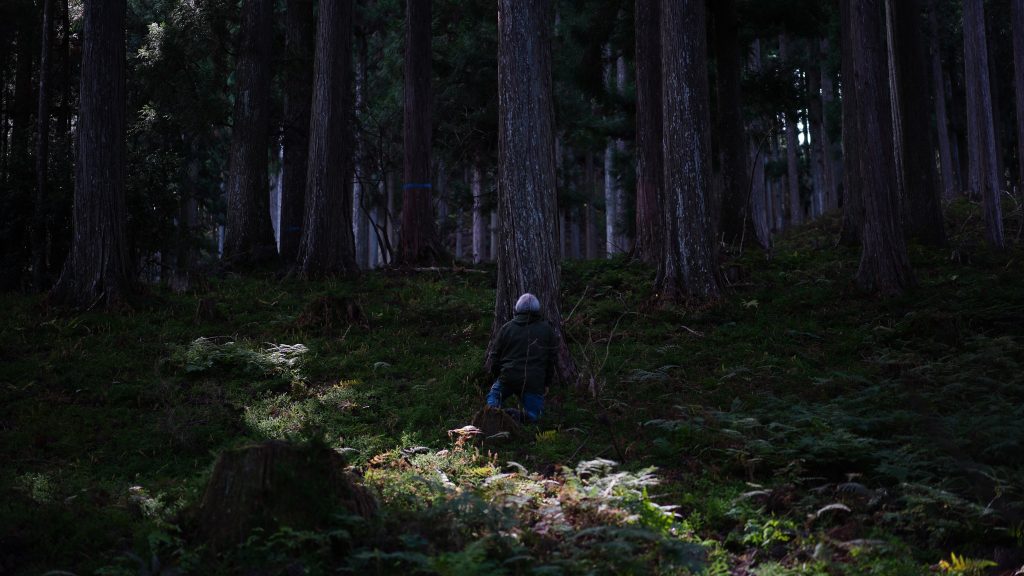
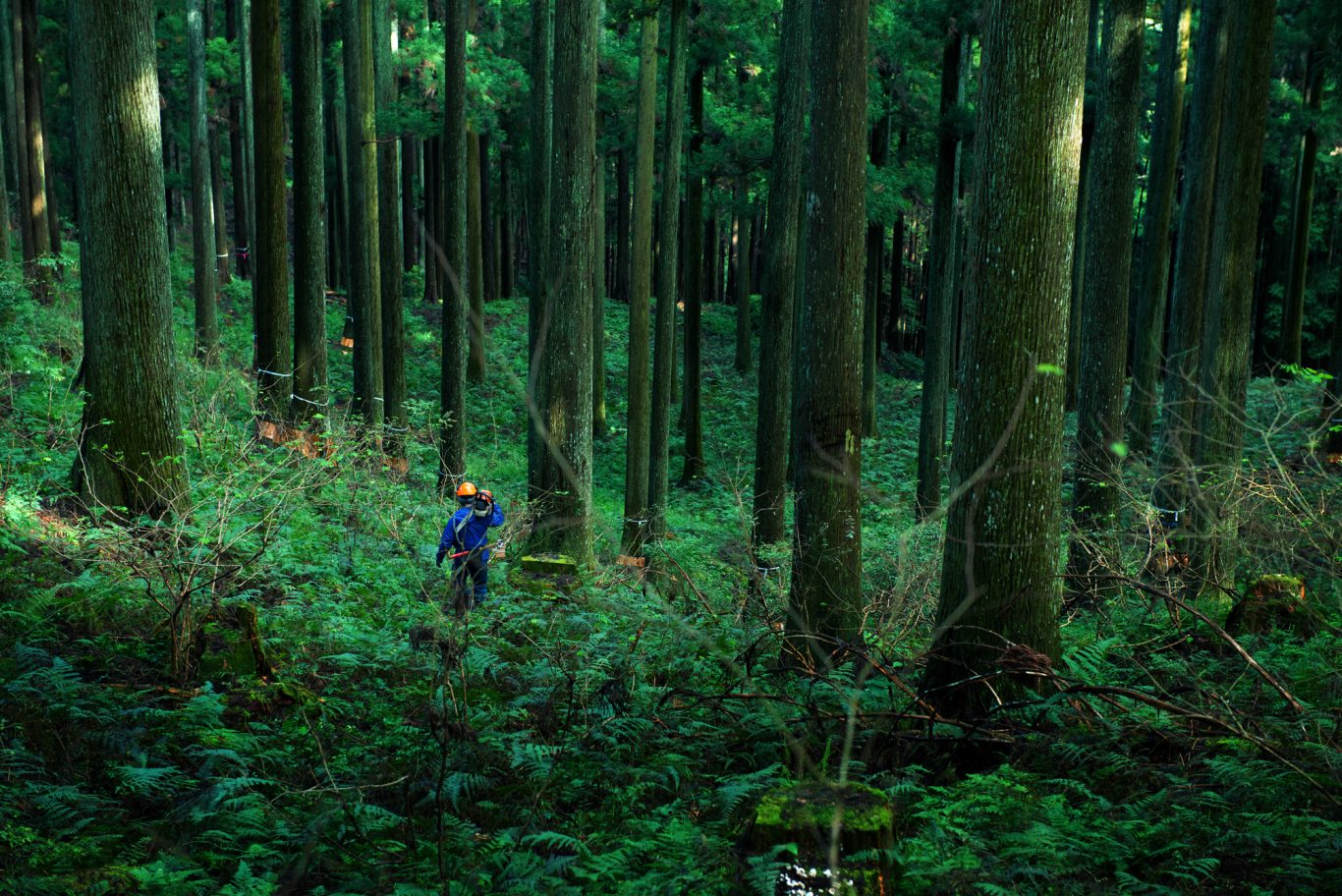
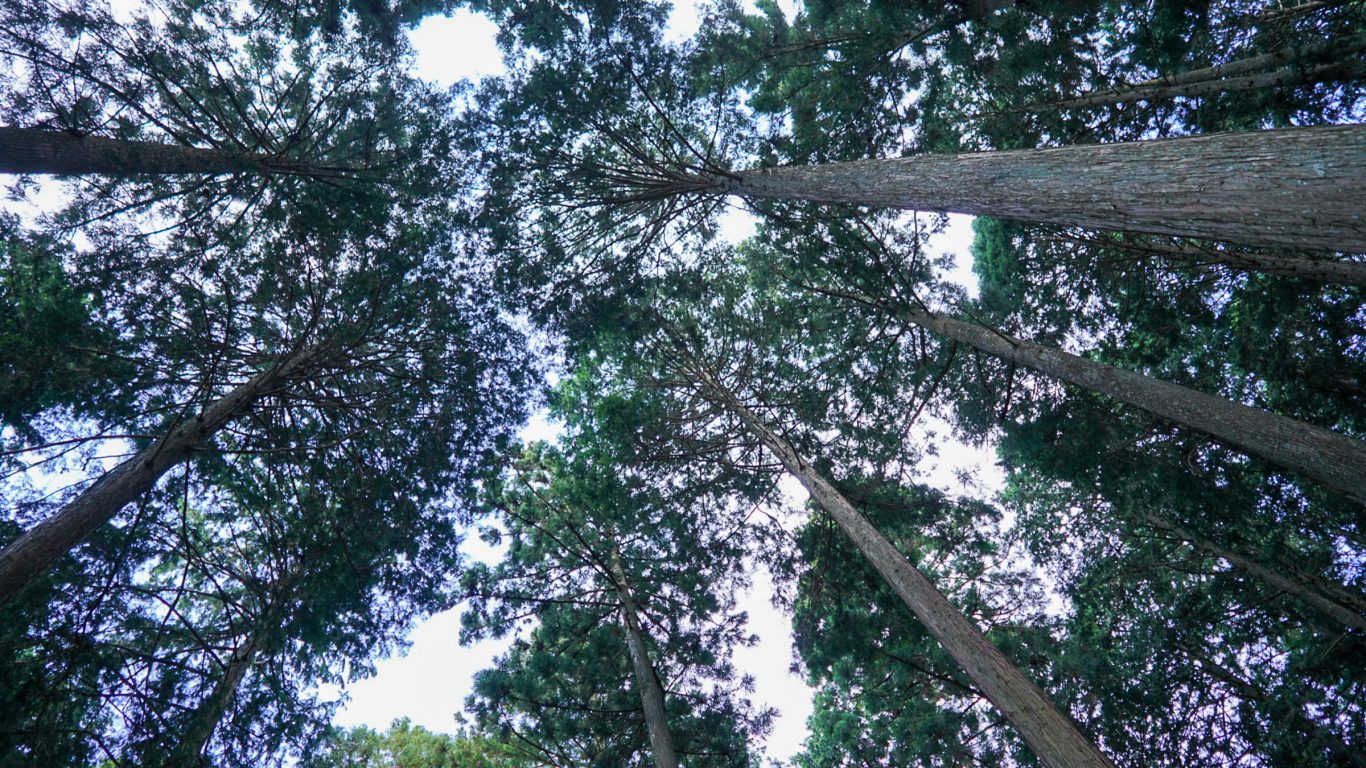
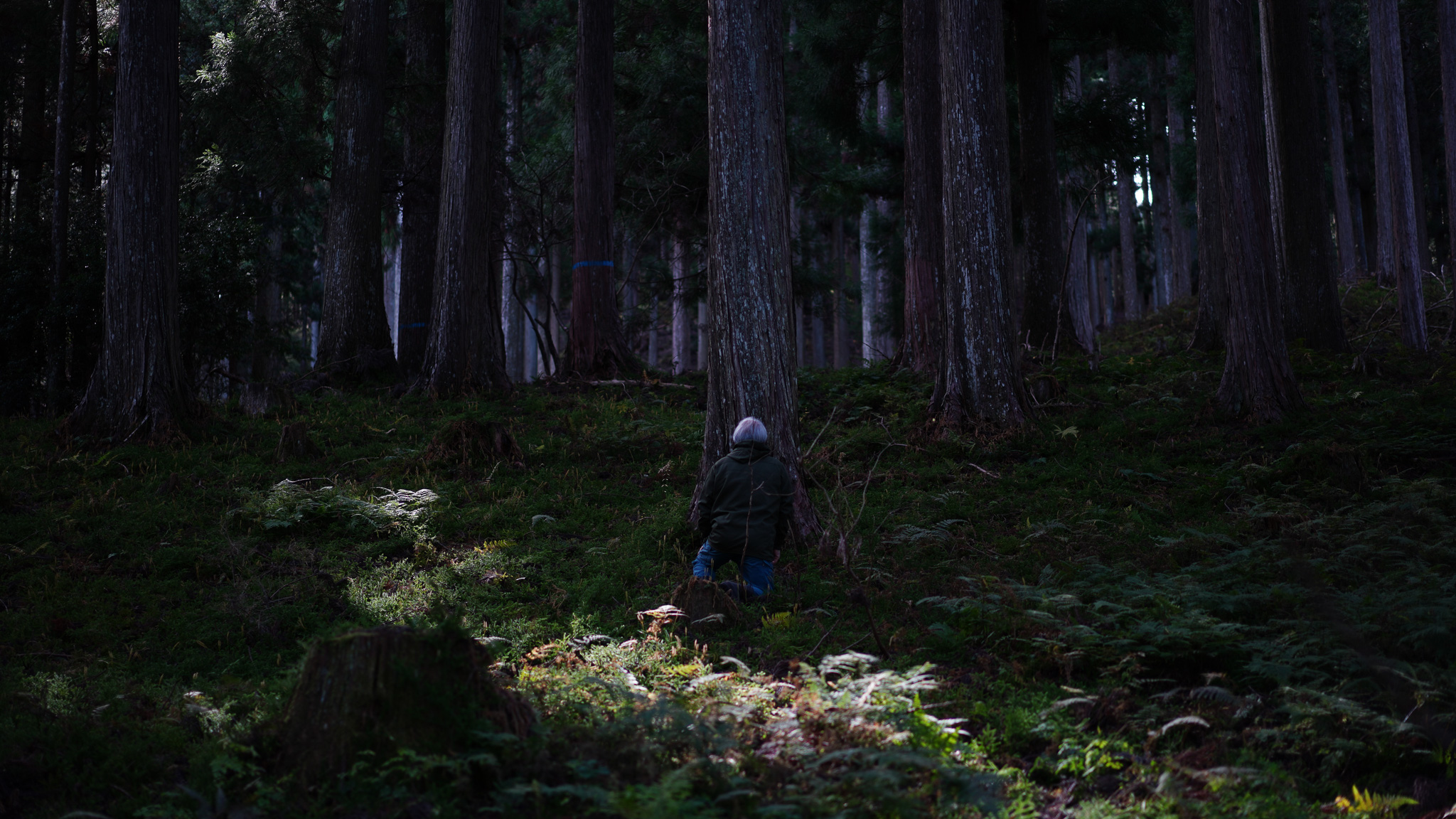
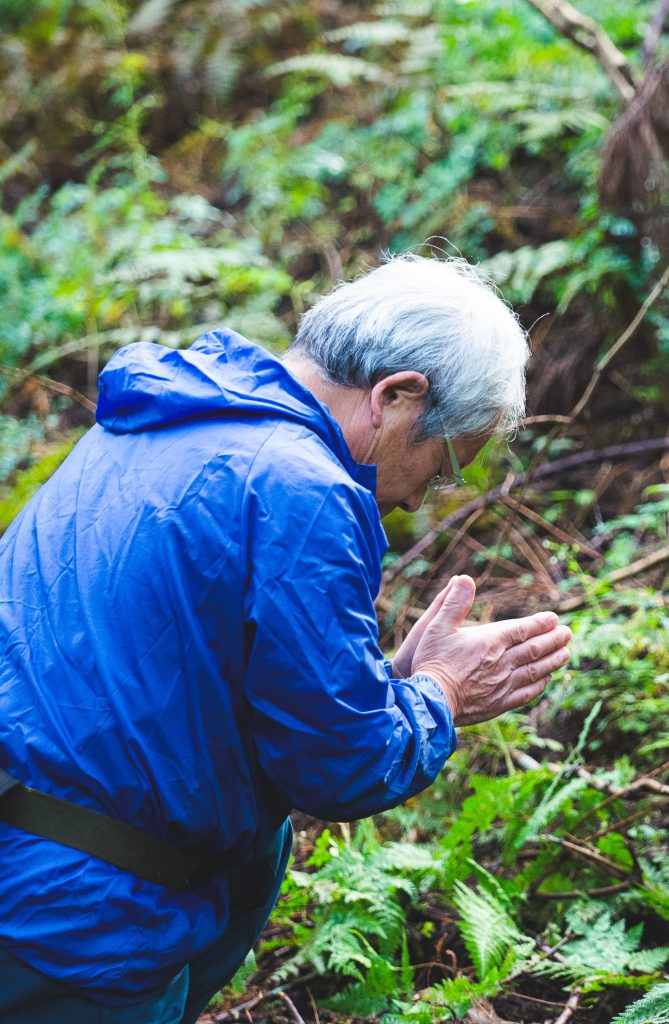
A Yamamori is a forester of Yoshino cedar and cypress trees that take 400 years to mature. When felling trees that have been carefully tended to by their ancestors Yamamori put their hands together in gratitude. Until recently, mountain foresters were responsible for taking their timber from the mountains to market-places for distribution to the sawmills. They had no way of knowing how and by whom the trees they grew would be used. However, together with a team of wooden house architects Cochi, the Yamamori are organizing tours of logging and forestry sites, trying to connect the mountains with the people who live there.
Carpenter / Hideo Yabunaka
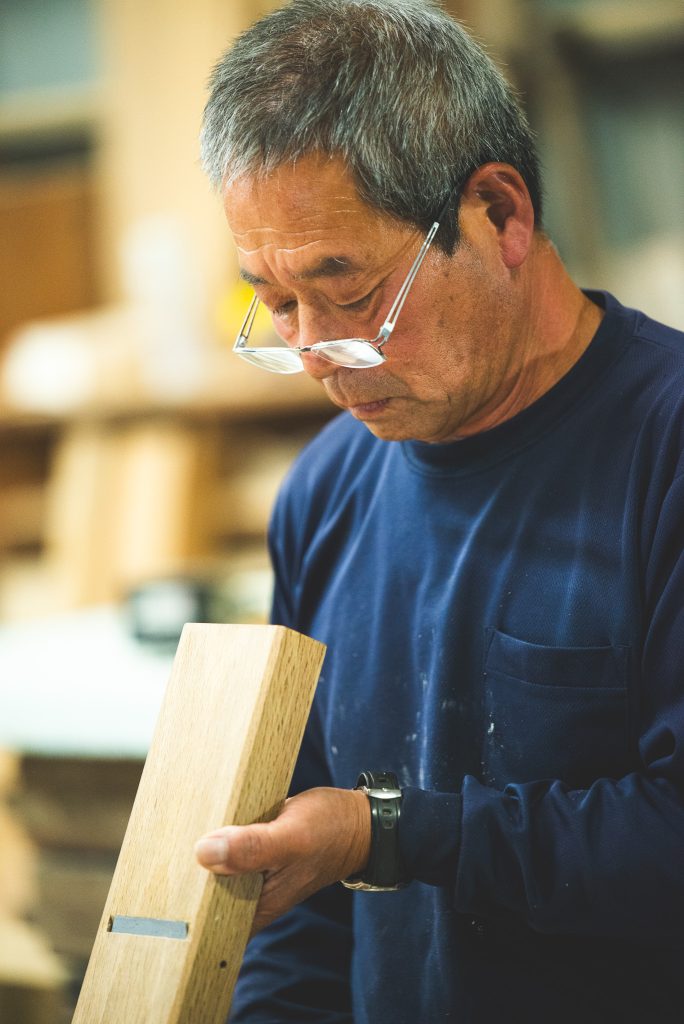
Following traditional construction methods, Mr. Yabunaka, is a master carpenter of 50 years experience, who constantly works to refine the techniques he inherited. Working in his Yoshino studio he insists on proper care of his tools and diligent preparation of materials. He loves nature and works to create houses that utilize the characteristics and strengths of each tree.

EXPERIENCE / 2DAYS Plan (Example: Customizable based on your preferences)
Day1 . Learn about traditional Japanese wooden architecture through dialogue with craftsmen.

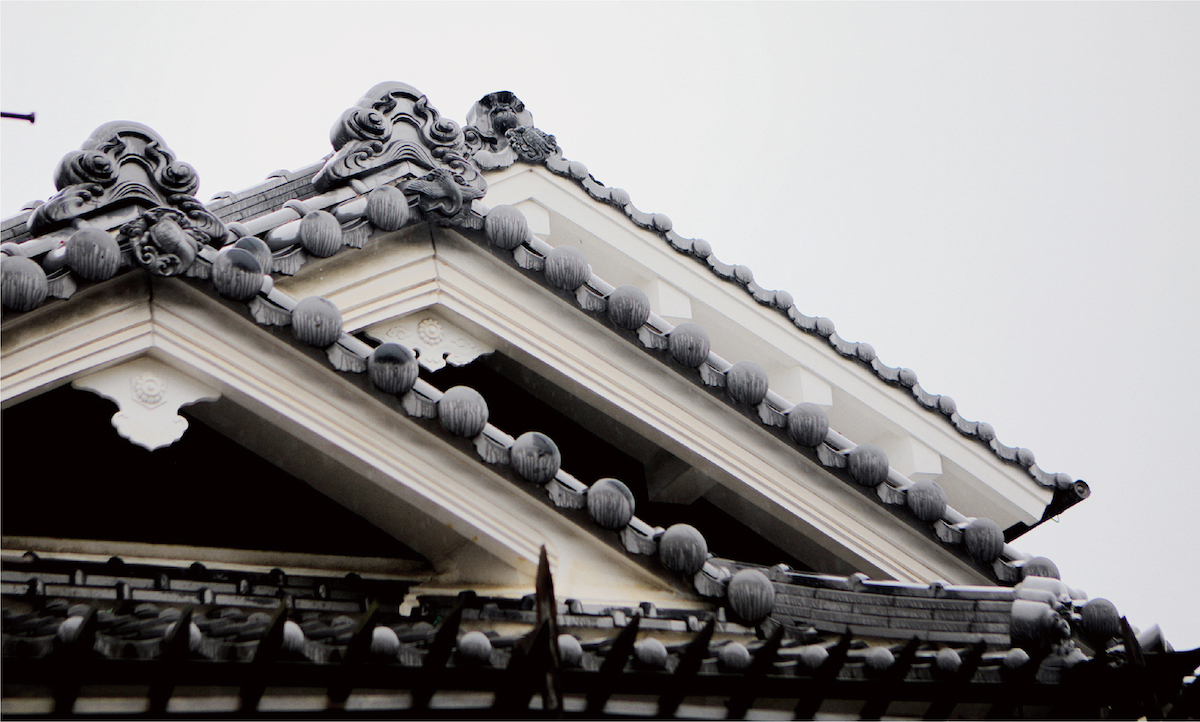
Walking through the town of Imai, with its wooden buildings dating back three centuries.
The journey starts at Kintetsu’s Yamato Yagi Station.
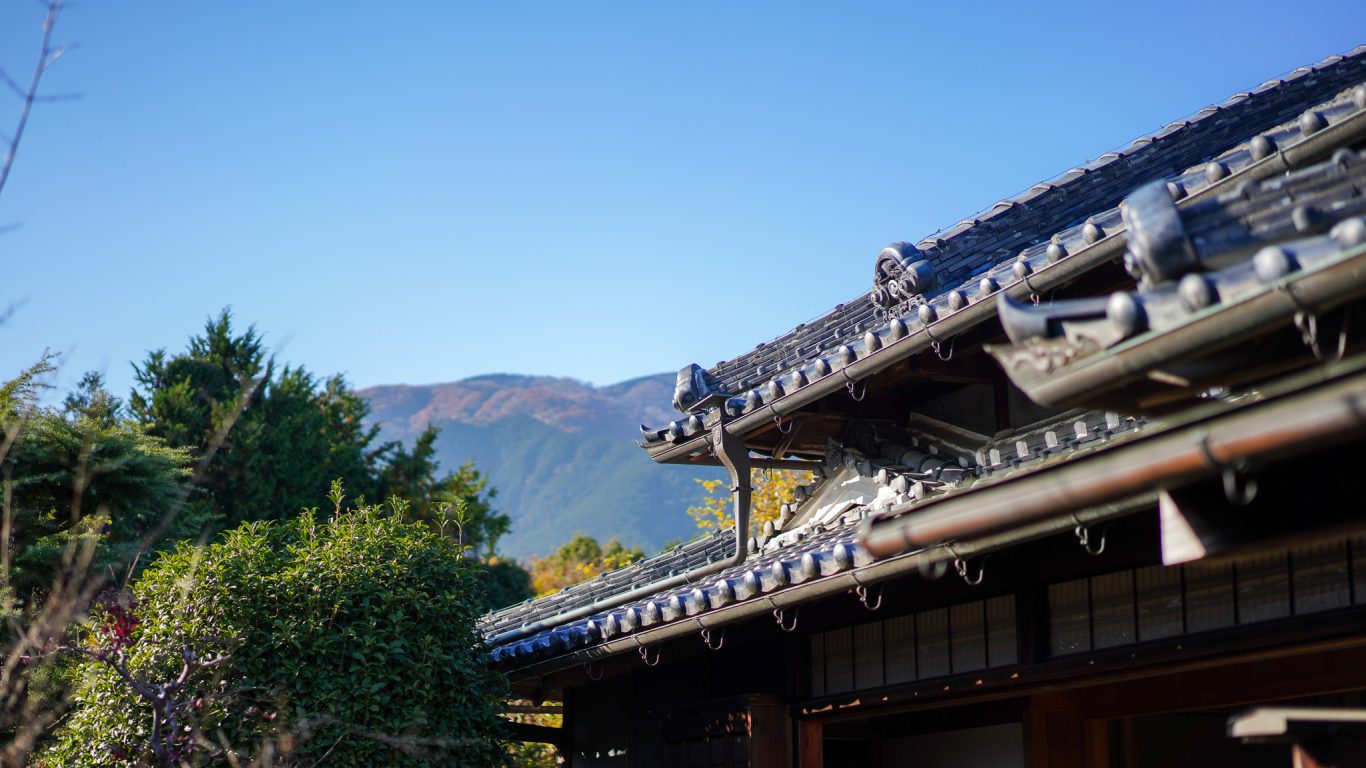
First, we meet Mr Sato of Cochi, an expert in wooden architecture. Then, together with Mr Sato, we take a walk to Imai-cho near the station. Imai-cho is a beautiful historical town centre with town houses of high quality and excellent design from the mid-Edo period (17th century) to the modern era, where people still live. While walking through this town, which has been selected as an Important Preservation Area for Groups of Traditional Buildings, listen to Mr Sato’s commentary and learn about the techniques and designs of Japan’s unique wooden architecture.
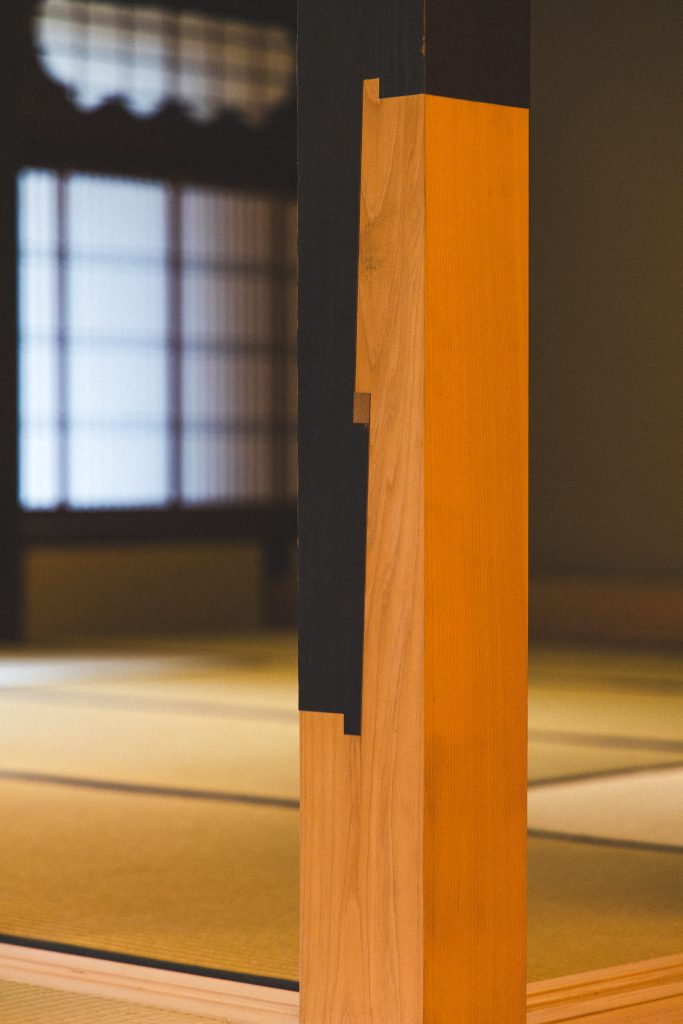
Learn about Japanese wooden architecture culture through dialogue with craftsmen.
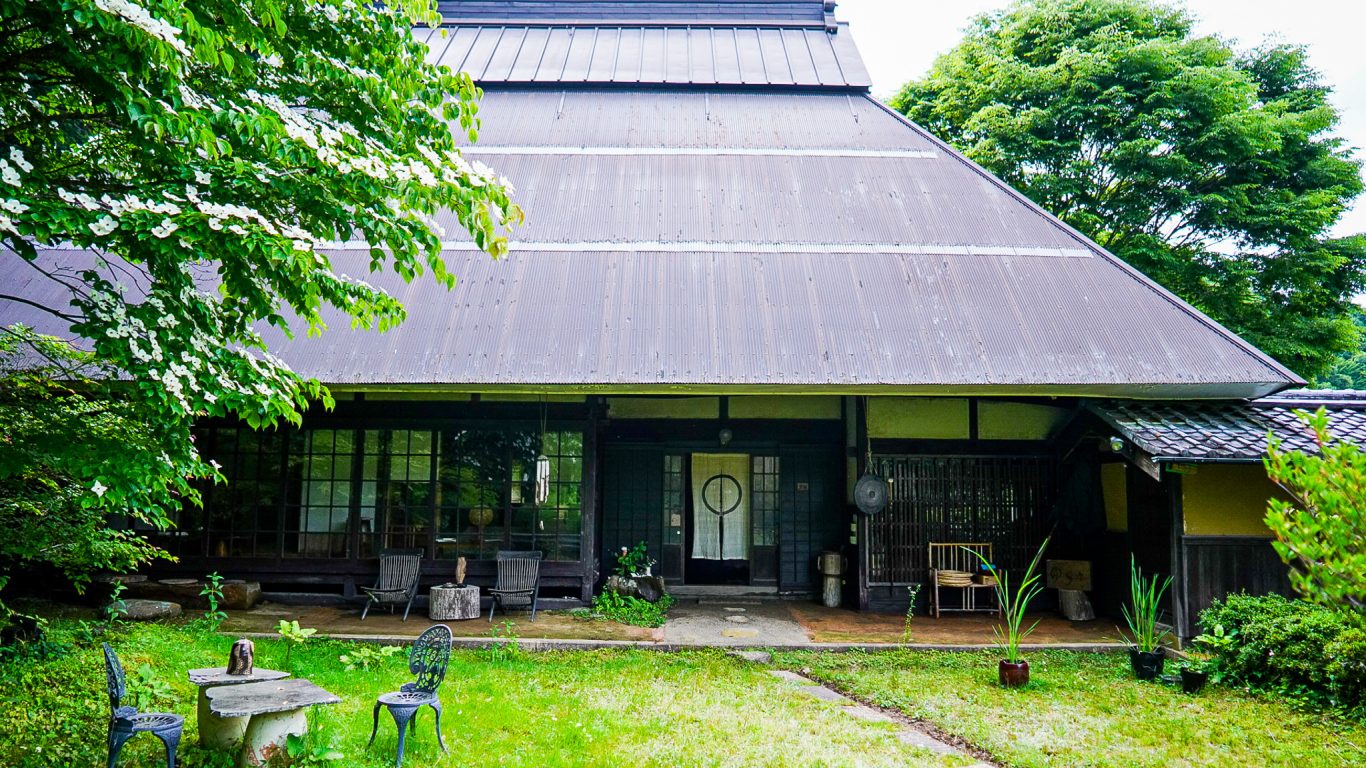
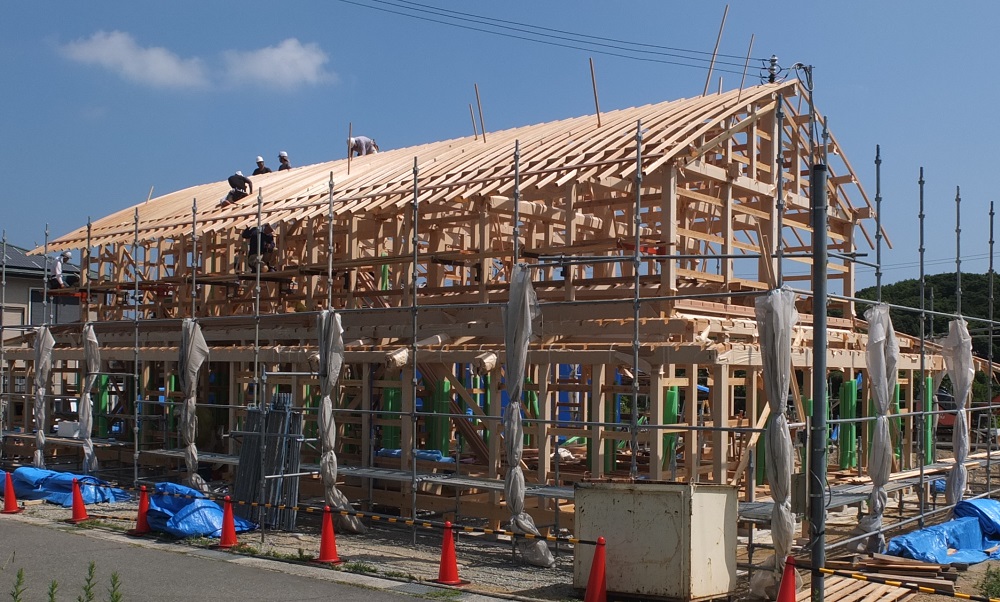
Visit Nagara village, where more than 1,500 years of history remain. In Nagara village, the Cochi office is housed in a 110-year-old wooden house that has been renovated. Traditional Japanese wooden construction techniques have developed beautifully and flexibly in the Japanese climate and continue to evolve today. Learn about the philosophy, techniques, material handling and design of Japan’s unique wooden architecture through contact with actual models, timbers and carpentry tools.Then, head to the site of a wooden building reconstruction in the village and meet Mr Yabunaka, the carpenter’s master carpenter. Through demonstration and dialogue, experience the skills and spirit of the carpenters who build houses with beauty and flexibility for more than 300 years while dealing with the individuality of each tree.

Enjoy a unique local meal in the private space of a beautiful and comfortable wooden building.
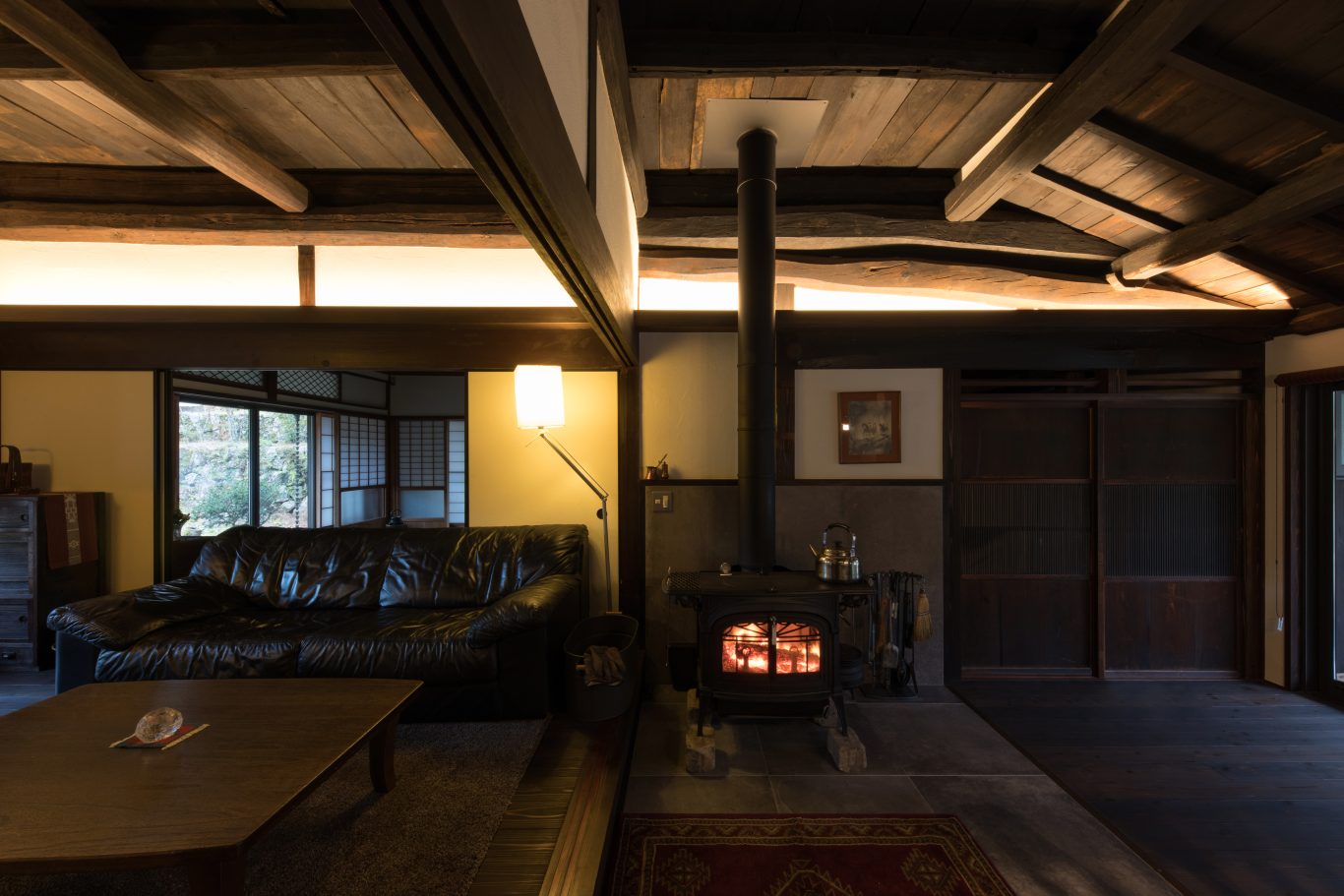
After a walk through the village, visit COCHI NO YADO (Inn), which has been beautifully restored by the Cochi sense of beauty and carpentry skills. Located along Katsuragi Kodo, one of Japan’s most famous ancient roads, We will have dinner at COCHI NO YADO. Dinner will include seasonal tempura vegetables grown by local organic farmers, a meal unique to the region.
Day 2 . Visit the origin of Japanese wooden architecture and meet “Yamamori” at the 500-year-old Yoshino forestry.
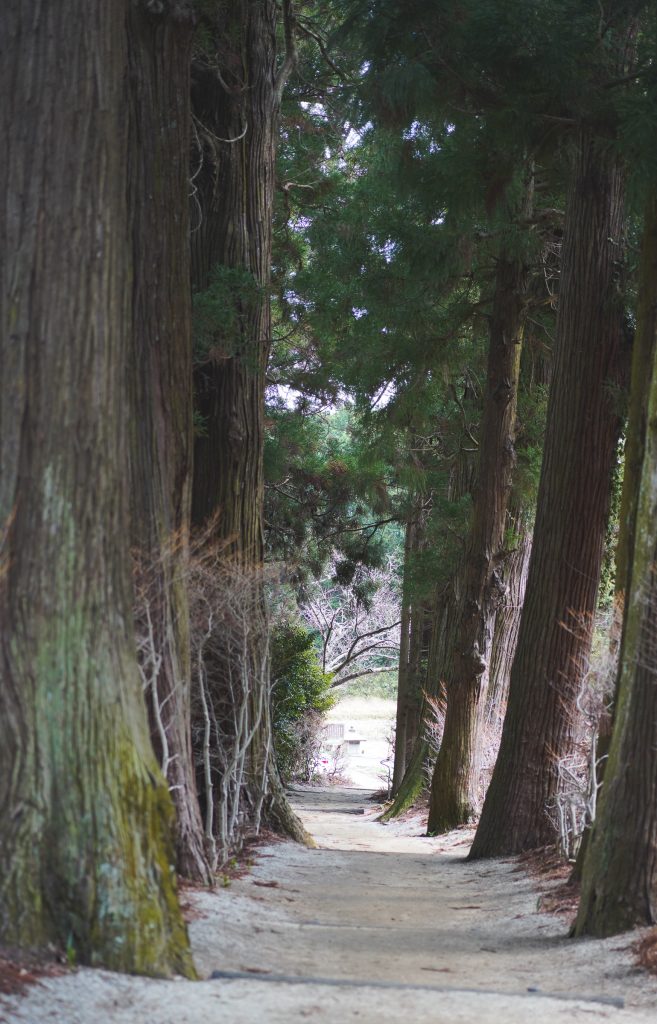
Journey Through Time: A Walk Along the Ancient Katsuragi Kodo Trail.
The Katsuragi Kodo, where Kochi’s lodging is located, is one of Japan’s oldest ancient roads, used by people for over 1500 years. Along the road, there are old shrines mentioned in the Nihon Shoki (a history book written in 720 AD), sites of primitive nature worship, and beautiful rural landscapes. While walking through the countryside and reflecting on history, you will experience the Japanese climate and spirituality.
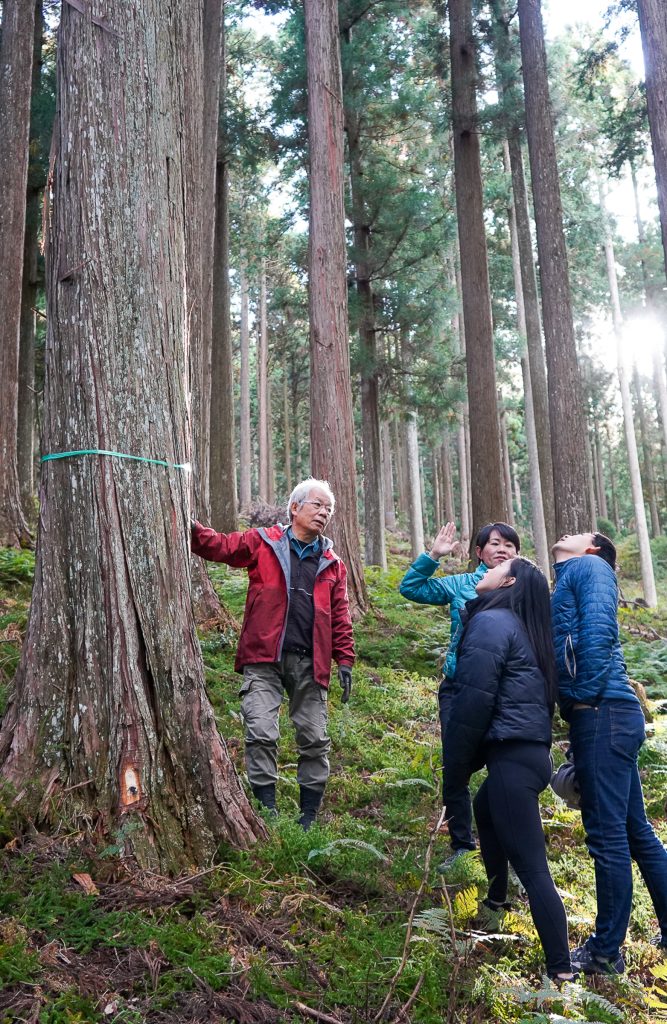
Learn about the philosophy of the Yoshino forestry industry from “Yamamori”.
Visit a Yoshino forestry site and meet Mr Fukumoto, a “mountain guardian” who has been growing Yoshino cedar trees for 200 or 300 years, generation after generation. Mr Fukumoto has been growing Yoshino cedar and cypress trees for half a century as Yamamori. Today, the number of forestry practitioners working as Yamamori is on the decline, but among them Mr Fukumoto is known as a master of growing and felling trees that are over 200 or 300 years old.
How has the 500-year history of the Yoshino forestry industry been handed down?
What are the techniques for growing trees that take much longer than a human lifetime?
What does he think of the trees he grows as he joins hands with the mountain gods before cutting them?
Walking through the forest with Fukumoto-san and engaging in dialogue, we learn about their values and spirituality as they face nature with faith in the mountain gods.
Dinner and discussion with craft masters.
At COCHI NO YADO, we eat sushi with COCHI’s Sato and other masters of the craft. And we eat and discuss the origins, philosophy, techniques and cultural transmission of Japanese wooden architecture and forestry.
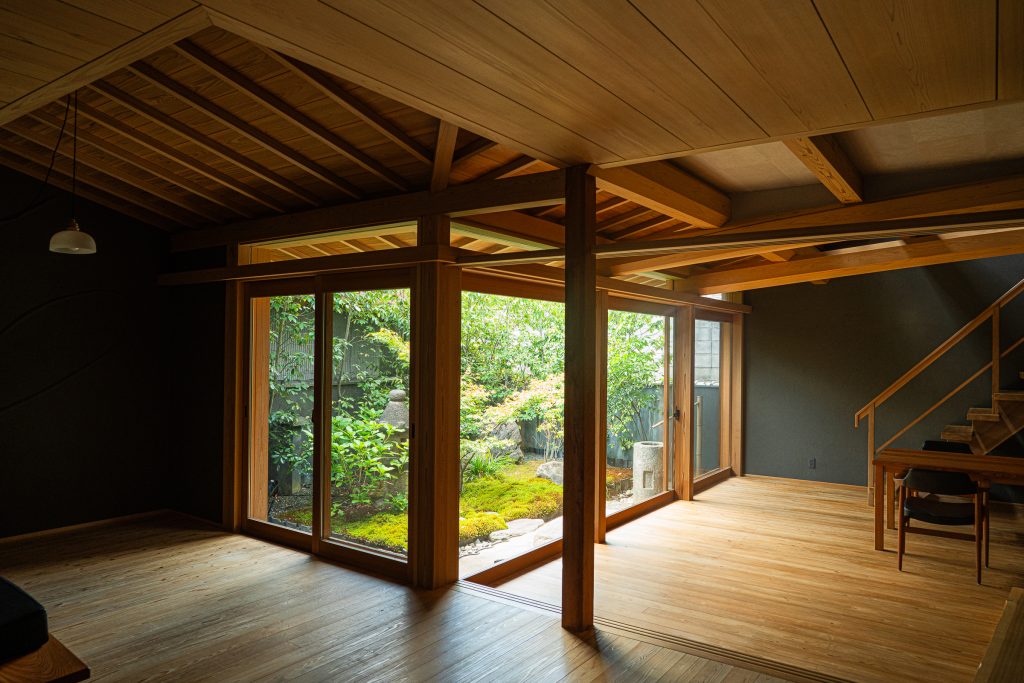
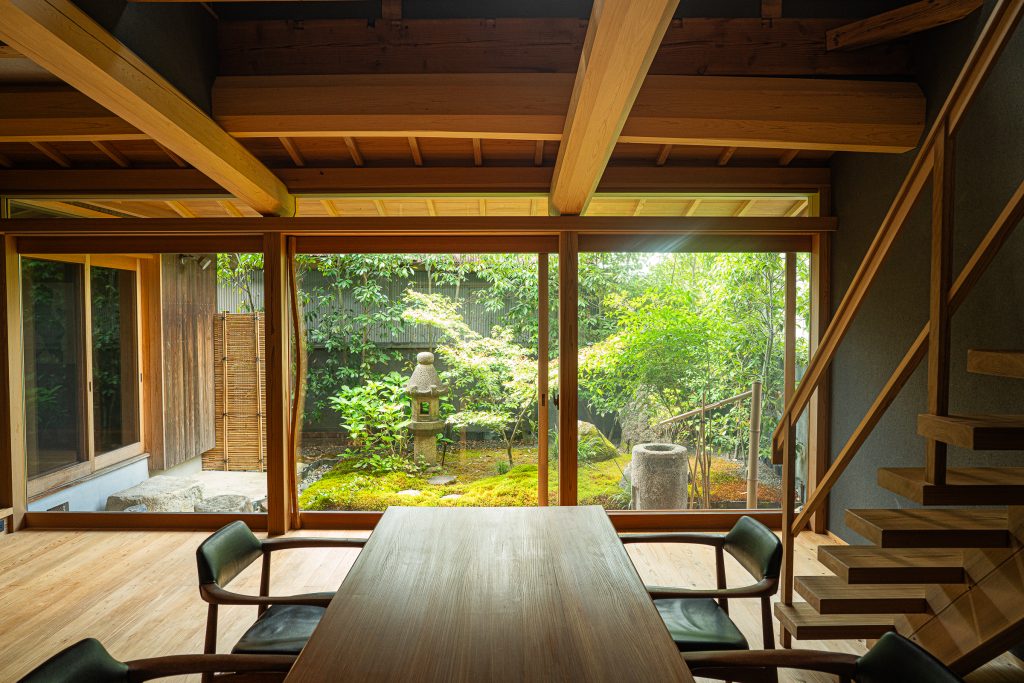
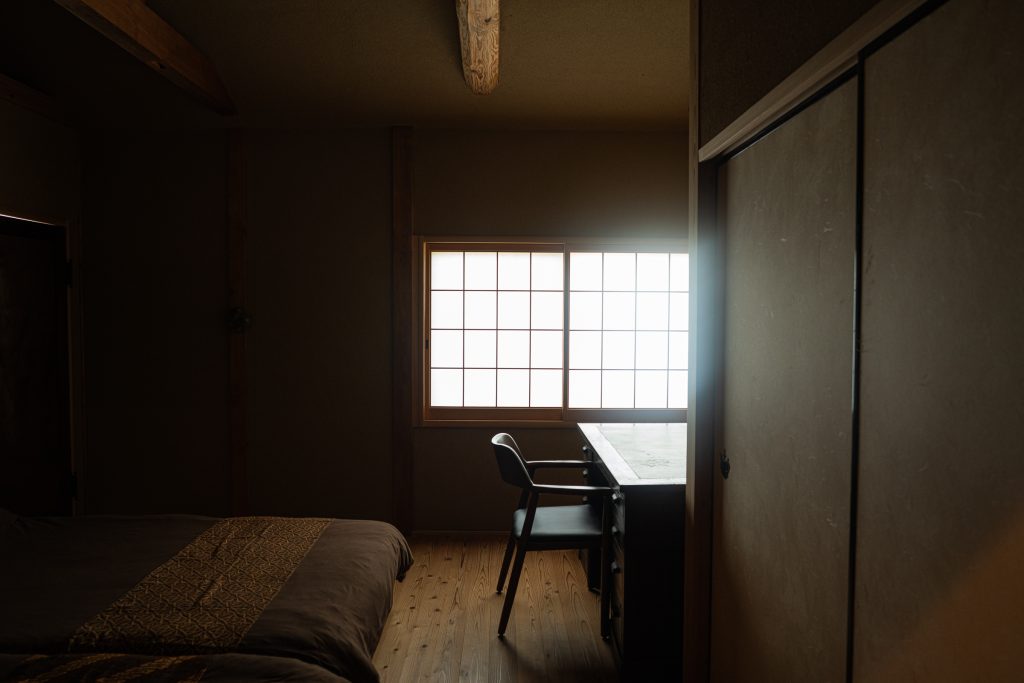
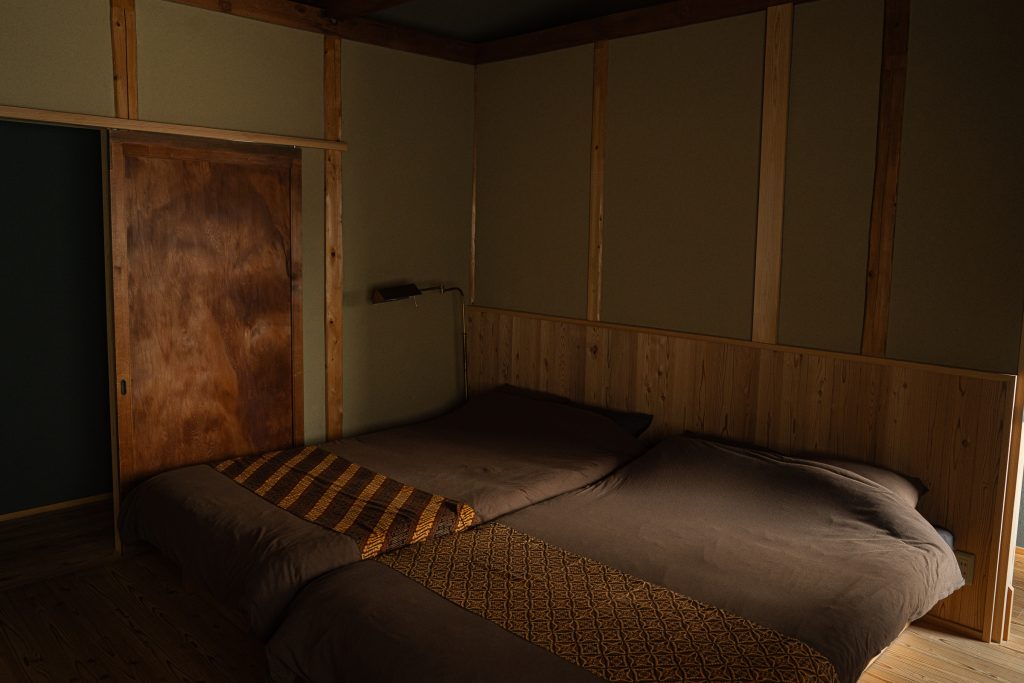
ACCOMONDATION – COCHI NO YADO
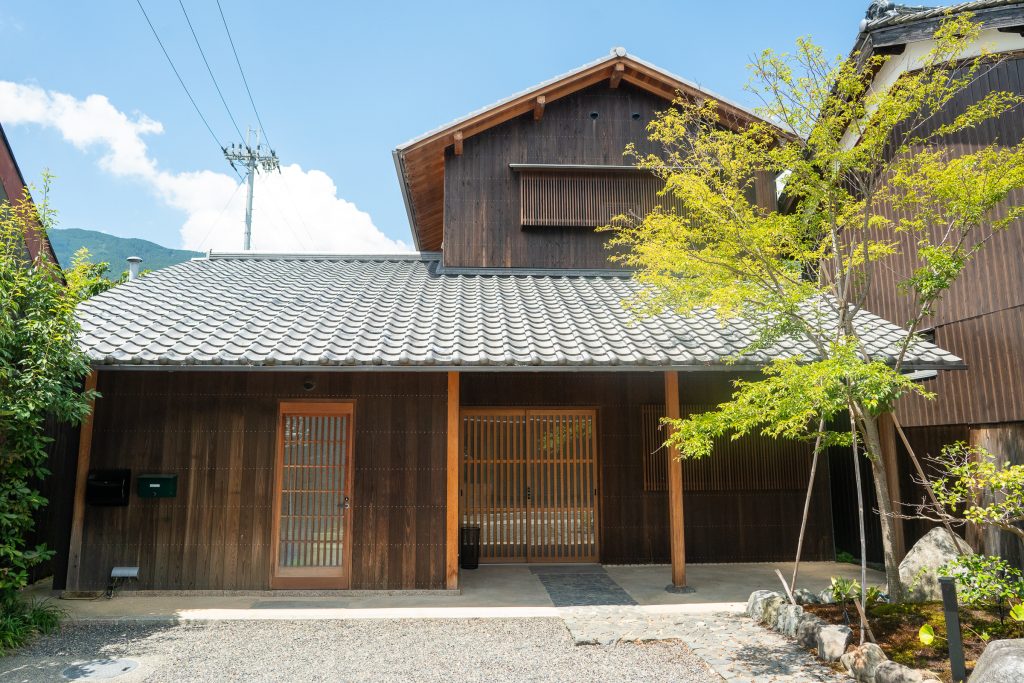
COCHI NO YADO, located along one of Japan’s most famous ancient roads, Katsuragi Kodo, was renovated by COCHI STUDIO and opened in 2021 with the aim of continuing the beautiful landscape of this ancient road 300 years later.
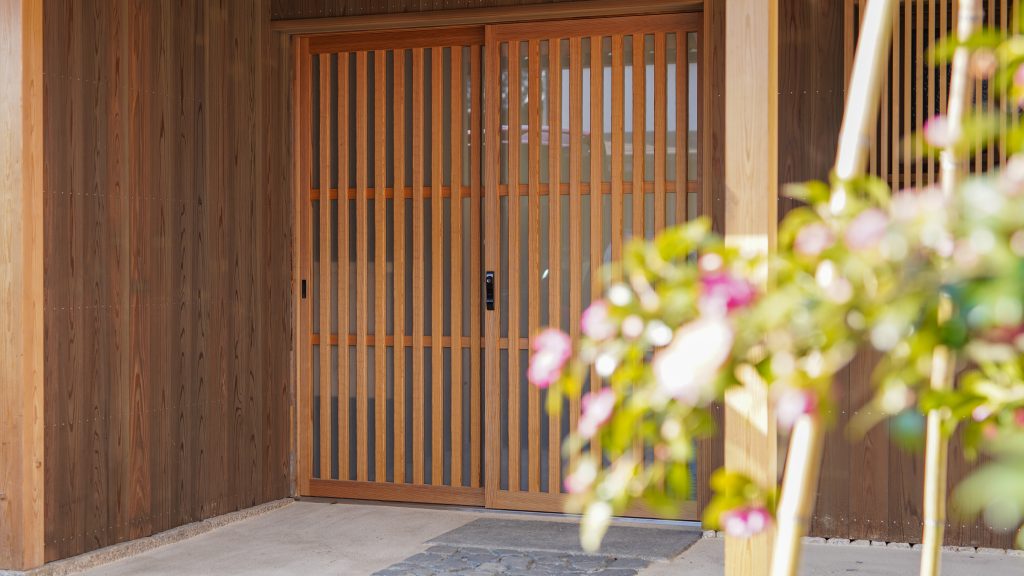
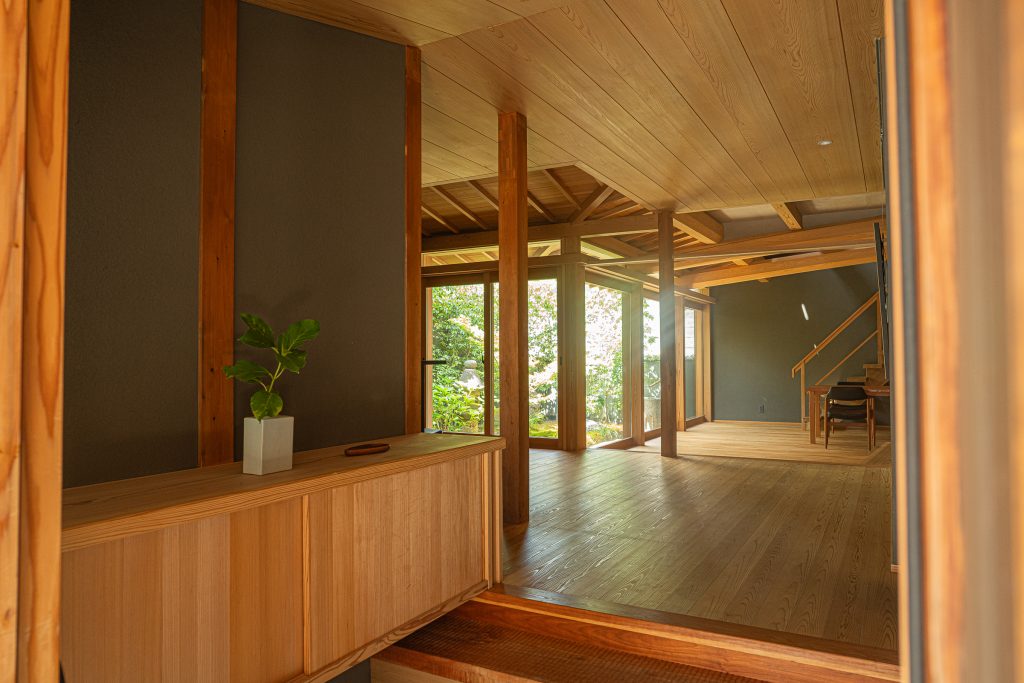
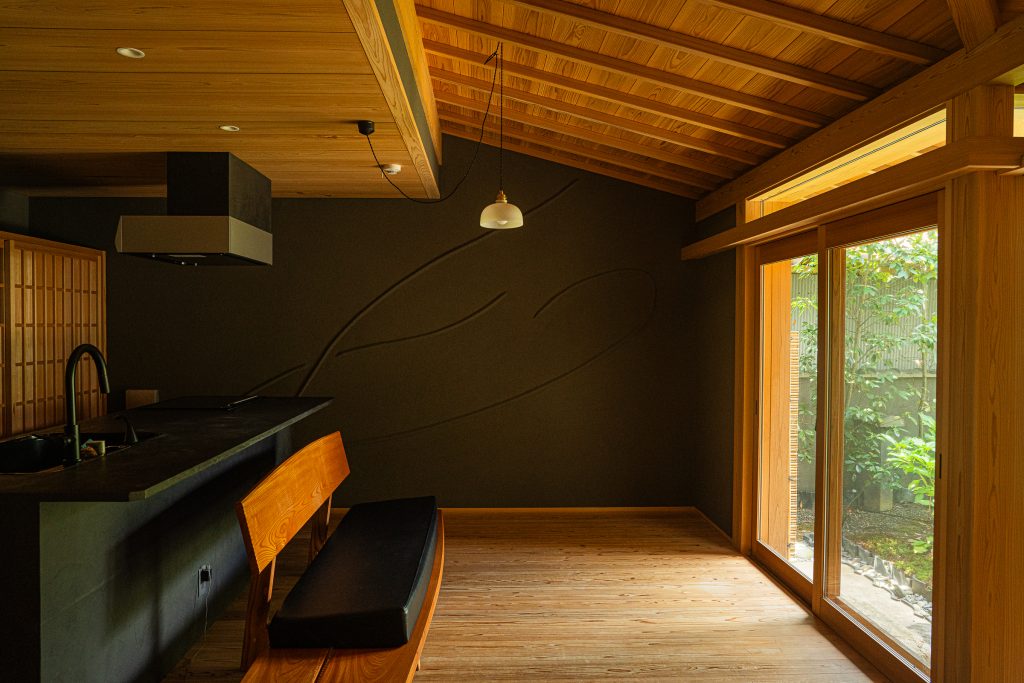
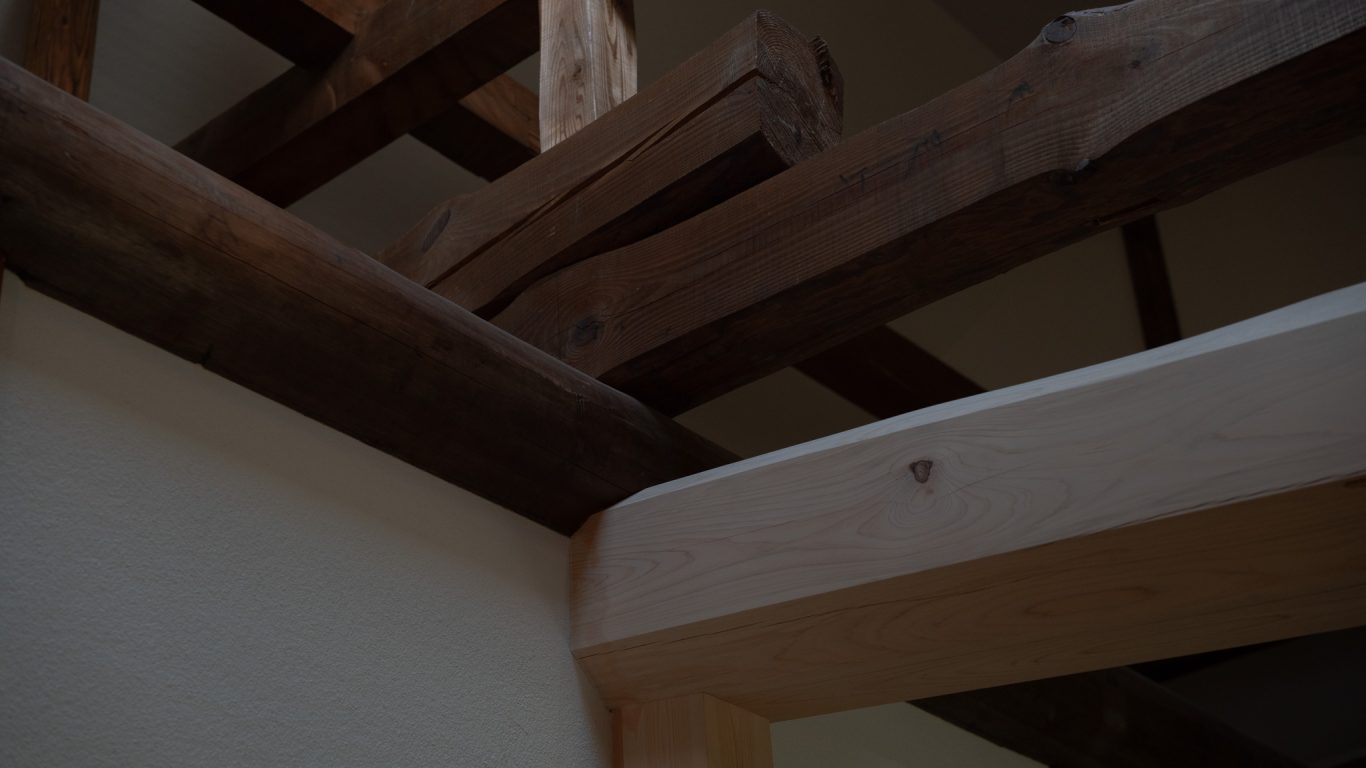
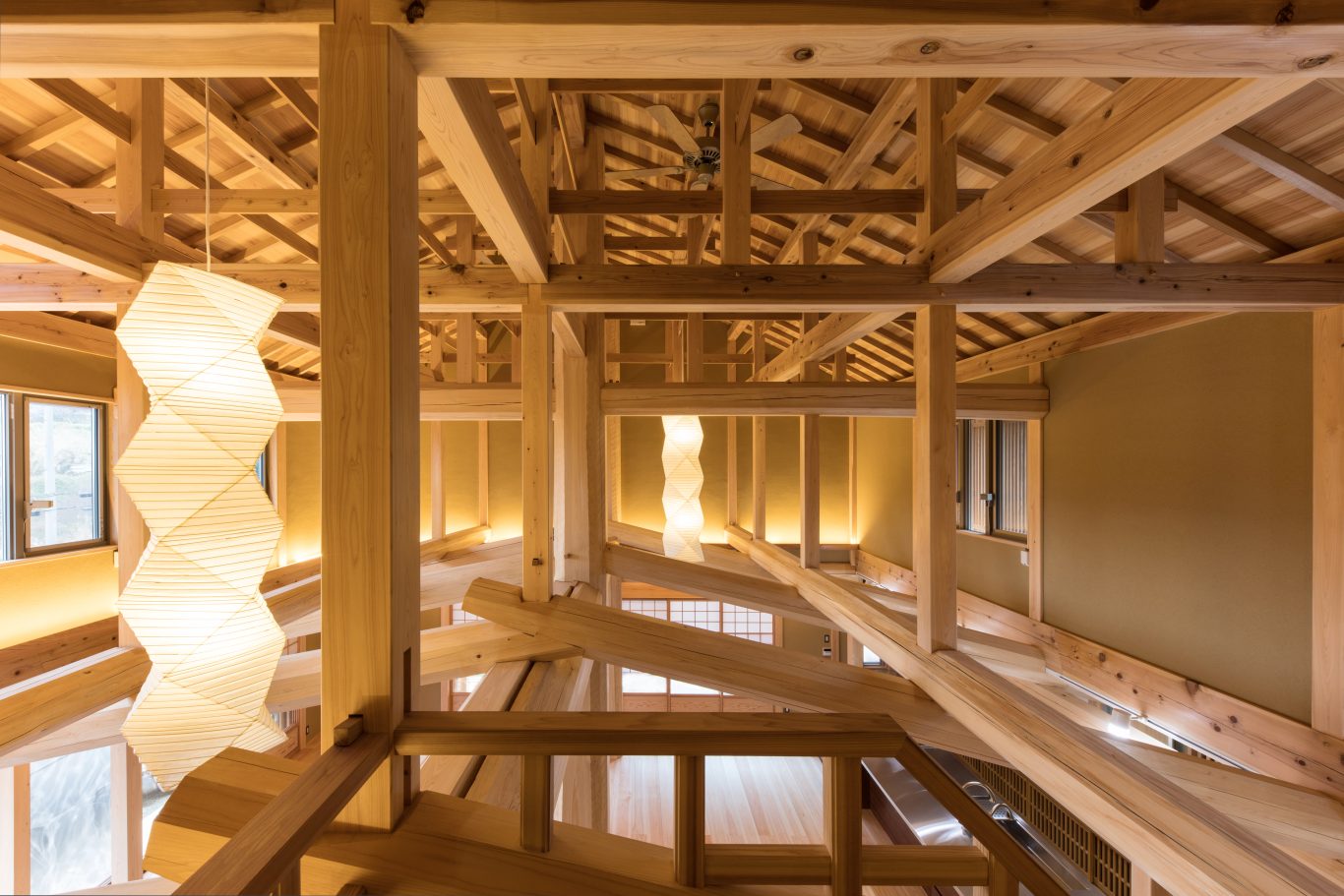
The building was reconstructed using over 100-year-old cedar and cypress trees grown in Yoshino and traditional carpentry techniques. In addition, the latest high-airtight and high-insulation technologies have been incorporated to ensure both beauty and comfort.